Siberian Cat Patterns
Cats are the second most popular pet in the UK, after their four-legged foes of course. According to the charity, Covid-19 contributed to this number with 7% of owners saying they got a cat for a reason directly linked to the pandemic, such as being furloughed or generally spending more time at home. In time for International Cat Day today, CasinoTop10.net commissioned research looking at YouGov data, uncovering Top 10 cat breeds in the UK. READ MORE: Pets at Home & Vets4Pets' tips on keeping pets cool in heatwave READ MORE: Most and least beautiful dogs according to maths – how does your pet rank? The online casinos company compiled the list based on how many respondents had a favourable opinion on the cat breed, along with how well known the breed is, using the percentage of the respondents who have actually heard of it. Here’s who came out on top:
Bengal
British Shorthair
Siberian
Ragdoll
European Shorthair
Himalayan
Ragamuffin
Maine Coon
Russian Blue
Cheetoh Cat
Bengal cat
Topping the list is the Bengal. This hybrid of domestic cats inherited its appearance from the Asian leopard cat, which is also where the Bengal part of the name comes from. Despite its wild ancestry, this is a very tame breed that easily attaches itself to its owner. Although Bengal cats are trainable, their curiosity makes them very active which is why they are so fun siberian cat personality

Siberian Cat Personality
to play with. British Shorthair cat
In second place is the British Shorthair. According to the Governing Council of the Cat Fancy (GCCF), this is the most popular pedigree cat in the UK. This gentle breed is perfect for families, but it also tolerates being left alone for up to three days. However, it is important to keep them active because of their muscularity. With its broad chest and a well-developed muzzle, the British Shorthair was the inspiration for the famous illustration of the Cheshire Cat from Alice in Wonderland. Siberian cat
The Siberian cat came in third place. These cats, made for the rough Siberian winters, have a water-resistant triple coat that comes in various colours and different patterns. Siberians are highly intelligent and they enjoy learning tricks and playing fetch. They are said to have a fascination with water, which can result in them dropping their toys in their water bowl or being very drawn to bathtubs. Ragdoll cat
Ragdoll cats are fourth. Famous for their striking blue eyes, Ragdolls have a pointed coat, meaning that their extremities have a darker colour then their much paler body. The breed is slow maturing, reaching their full size and weight at four. Ragdolls are often referred to as puppy-like cats because of their personality. They have a tendency to follow their owner around and they are generally laid tabby siberian cat
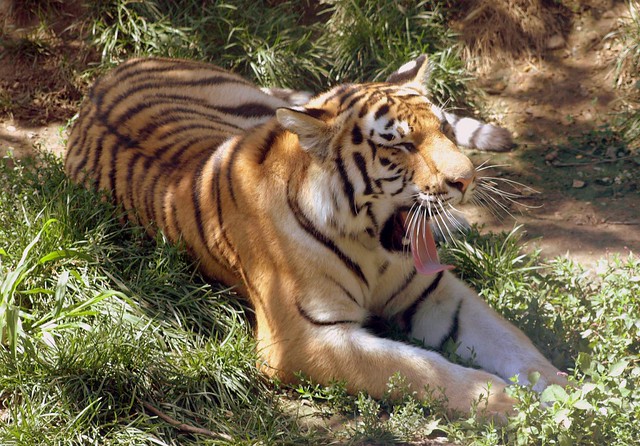
Tabby Siberian Cat
back, with a high tolerance of other pets. European Shorthair cat
In fifth comes the European Shorthair cat. With their easy personality and easy grooming requirements, they are the perfect fit for those with no previous experience with cats. They are very adaptable to new environments and are ideal for families with small children and other pets. Although they are friendly and love to please their owner, they can be shy and timid around strangers. European Shorthairs come in a remarkable range of eye colours, and they can be odd-eyed, usually with one eye blue and the other green or amber.A recent study by the Zoological Survey of India (ZSI) on snow leopard ( Panthera uncia) has thrown up interesting insights on the elusive mountain cat and its prey species. The study under National Mission on Himalayan Studies revealed a strong link between habitat use by Snow Leopard and its prey species Siberian ibex and blue sheep. Scientists used camera traps and sign surveys to evaluate the co-occurrence patterns of snow leopards and its prey species (Siberian ibex and blue sheep) in Spiti valley of Himachal Pradesh. Details of the study have been recently published in a paper titled Landscape use and co-occurrence pattern of snow leopard (Panthera uncia) and its prey species in the fragile ecosystem of Spiti Valley, Himachal Pradesh published in the journal Plos One.
A view of Siberian Ibex. | Photo Credit: Special Arrangement
“Furthermore,

Black Siberian Cat
we found that the snow leopard detection probability was high if the site was used by its prey species, i.e., ibex and blue sheep. Whereas, in the case of the prey species, the probability of detection was low when the predator (snow leopard) was present and detected. Besides this, our results suggested that both species were less likely to detect together than expected ...,” the publication states. Lalit Kumar Sharma, lead author of the publication, said that snow leopards use rugged mountainous areas or non-forested areas covering an altitude between 3200m-5200m. Dr. Sharma, who heads the GIS & Wildlife Section of ZSI, said that the study suggested that habitat covariates, such as barren area, grassland, aspect, slope and distance to water were important drivers of habitat use for the snow leopard as well as its prey species. He added that Spiti Valley possessed a good habitat in and outside the protected areas which could support a viable population of both threatened snow leopard and its prey species. Classified as ‘Vulnerable’ by the International Union for Conservation of Nature (IUCN) Red list and listed in Schedule-I species of the Indian Wildlife (Protection) Act, 1972, snow leopards are elusive mountain cats whose survival depends on depends primarily on wild ungulates. Amira Sharief, biologist at ZSI and also an author of the paper, said that the study aimed at examining how the predator used habitat in presence or absence of its prey species and vice-versa, “We also

Blue Siberian Cat
tested how the environmental variables are influencing the distribution of the species in presence or absence of the other species,” the biologist said. According to Ms. Sharief higher up in the mountains, predators such as snow leopards regulated the populations of herbivores such as the blue sheep and Siberian ibex, thereby safeguarding the health of grasslands and a long-term absence of snow leopards could cause trophic cascades as ungulate populations would likely increase, leading to depletion of vegetation cover.
A view of the Blue Sheep | Photo Credit: Special Arrangement
Snow leopards have a vast but fragmented distribution across the mountainous landscape of central Asia, which covers different parts of the Himalayas such as Ladakh, Himachal Pradesh, Uttarakhand, and Sikkim.. This charismatic species is largely threatened because of the loss of natural prey species, retaliatory killing due to conflict with humans and illegal trade of its fur and bones. Dhriti Banerjee, Director, ZSI, said that protecting snow leopards may result in a cascade of benefits to the ecosystem as a whole. “The knowledge about the relationships among the species will be useful for developing better conservation and management strategies for the long-term viability of snow leopard and its prey species in the landscape of Spiti Valley. Maintenance of areas having potential habitat for top predators in and outside the protected areas can serve as a useful tool for conservation and management planning,” Dr Banerjee added
Comments
Post a Comment